Building 'Trust' in real estate
Understanding how trust impact real estate transactions and what needs to be done to preserve it.
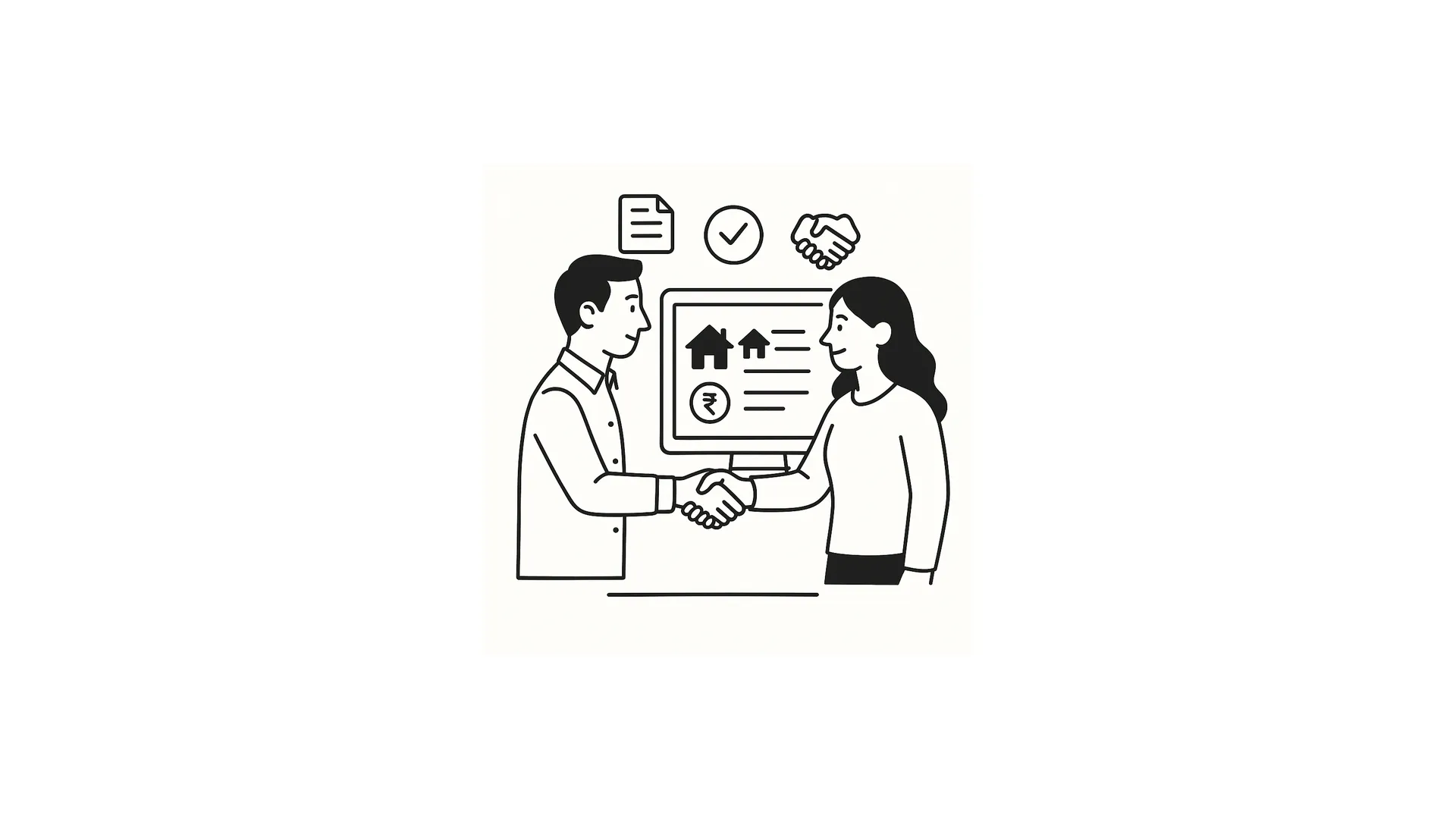
Long before a property is reduced to a price per square foot, a yield metric, or a capital asset on a balance sheet, it represents something much more profound. It represents a fundamental human need: shelter & safety.
Whether it is a family parting with an ancestral land parcel, a housing society entrusting a developer with their homes for redevelopment, or an institution deploying decades of accumulated capital into a commercial space, the stakes are deeply personal. Because of this immense financial and emotional weight, the true currency of any real estate transaction isn't the Rupee, it is Trust.
When trust is present, complex deals flow seamlessly. When it is absent, even the most lucrative transactions collapse under the weight of anxiety and suspicion.
Here is a closer look at the anatomy of trust in real estate: how it is built, how it is maintained, how easily it shatters, and how the industry must evolve to protect it.
How Trust is Created: The Foundation of Transparency
Creating trust gets you to the negotiating table; maintaining it gets you to the final signature.
During the grueling weeks of due diligence, trust is maintained through consistency and operational integrity. It is preserved when:
Data is Protected
Timelines are Honored
Commercial aspects are ultra clear
Communication remains linear
How Trust is Lost: The Ecosystem of Chaos
Unfortunately, the traditional real estate market is often a minefield for trust. It is incredibly fragile and can be lost in an instant.
Trust evaporates when a seller discovers their property documents have been forwarded across dozens of unverified WhatsApp groups without their consent, cheapening the asset's value. It is destroyed when buyers realize a title is disputed only after spending months on negotiations. Deal poaching, floating verbal offers with no financial backing, and the opacity of multi-tiered broker chains create a systemic trust deficit that leaves all parties feeling vulnerable and exhausted.
Restoring the Core Currency
What needs to be done to preserve this foundational aspect in real estate? The answer is simple, build an ecosystem where the participants are genuine, confidentiality is not an afterthought, documentation is streamlined and most importantly - information is available.
This simple insight has lead us to create 'Sthavr'.
We set out to engineer a digital ecosystem where trust is not just promised, but structurally enforced. We replace the anxiety of traditional transactions with absolute certainty through:
Verified Counterparties Only: Every developer, investor, and asset owner on Sthavr passes rigorous KYC and intent verification before they can even view an active deal.
Strict Digital NDAs: We protect the emotional and financial integrity of an asset. Buyers must sign legally binding digital NDAs before accessing a property's sensitive Data Room, ensuring total confidentiality.
Structured Deal Spaces: By centralizing documents, title verifications, and Letter of Intent (LOI) negotiations in one secure, encrypted dashboard, we remove the chaos of offline transactions.
Real estate will always be an emotional investment. When individuals and institutions decide to buy, sell, or redevelop, they are making monumental life and business decisions. At Sthavr, we believe that such significant transitions deserve an infrastructure built on dignity, transparency, and uncompromising security.
Because when you secure the trust, the transaction takes care of itself.
Join us in bringing trust back into real estate.
Related posts
No items